
LKS2 News
Read on to find out about what has been happening in years 3 & 4.
Year 3
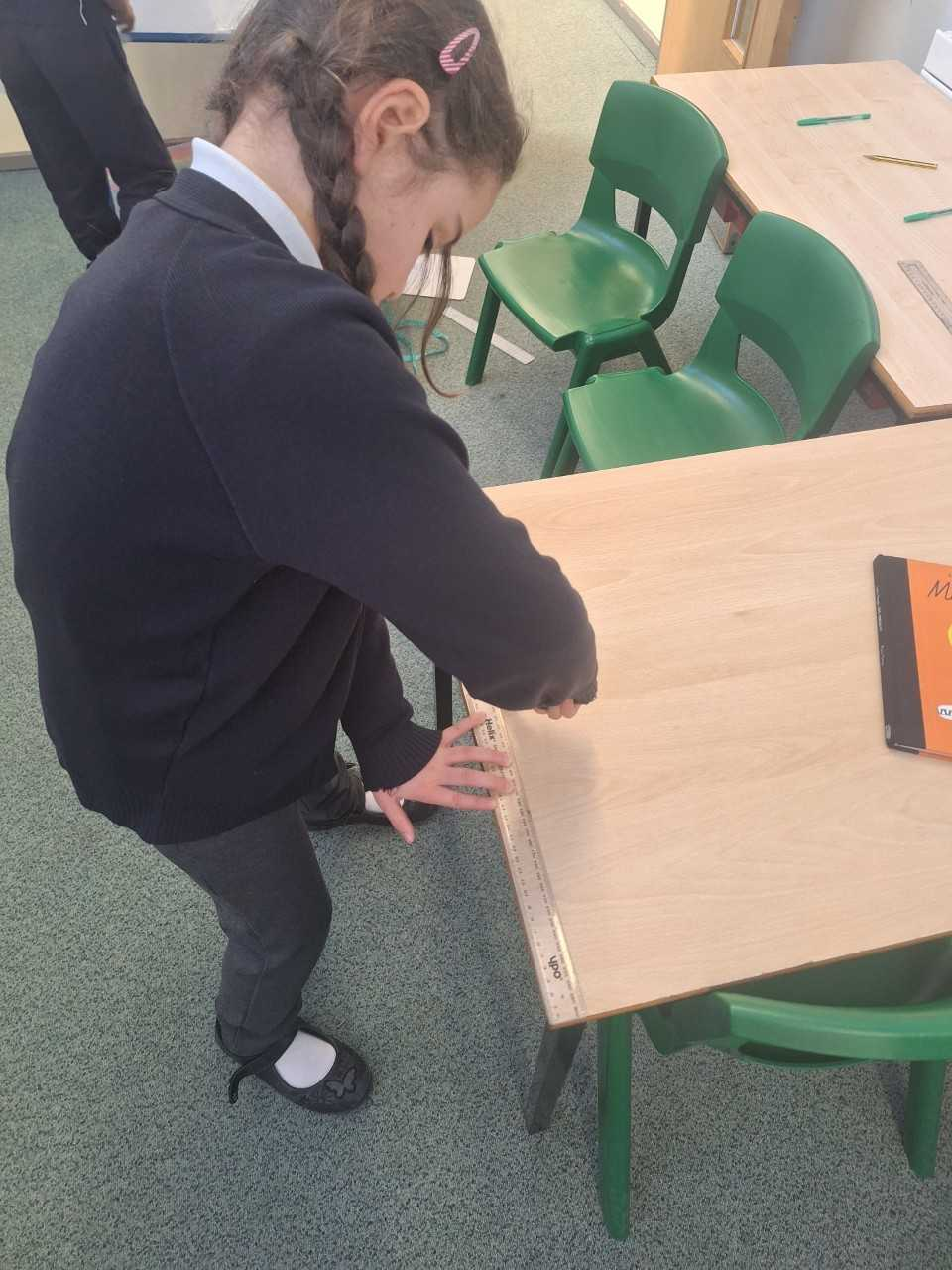
In maths, the children have been fully engaged in our new topic on measuring. They have explored metres (m), centimetres (cm) and millimetres (mm), and discussed why using standard units of measurement is so important. We have focused on choosing the most appropriate unit for different tasks and embedding key conversions, such as 10 mm in 1 cm and 100 cm in 1 m. There has been lots of practical measuring using rulers and tape measures, alongside thoughtful discussion about accuracy and precision.
In English, we are completing our explanation texts about the three main types of rocks. The children are excited to share their growing knowledge of igneous, sedimentary and metamorphic rocks with Mr Miller, our Science Lead. They have worked hard to organise information clearly and use scientific vocabulary confidently.
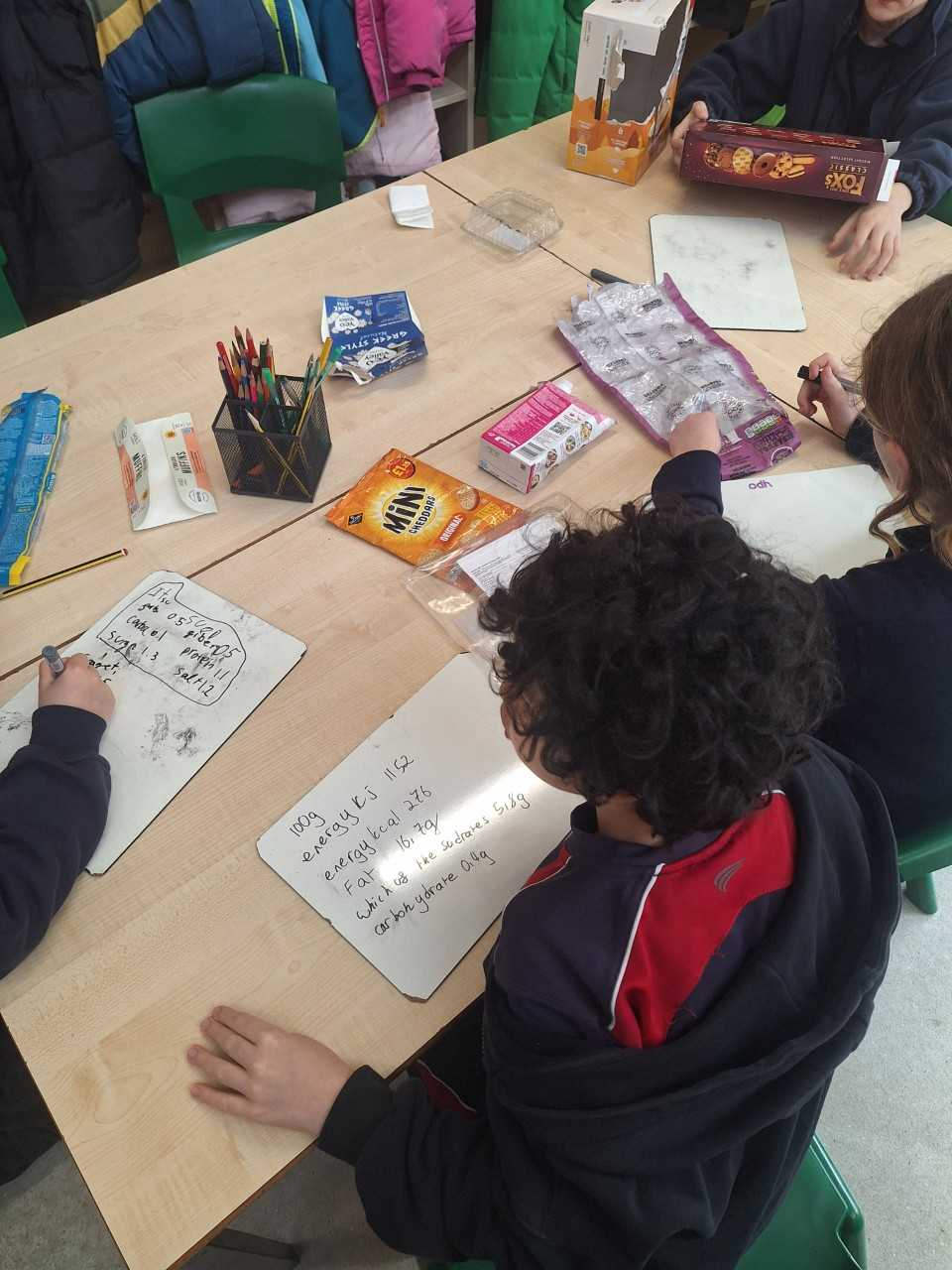
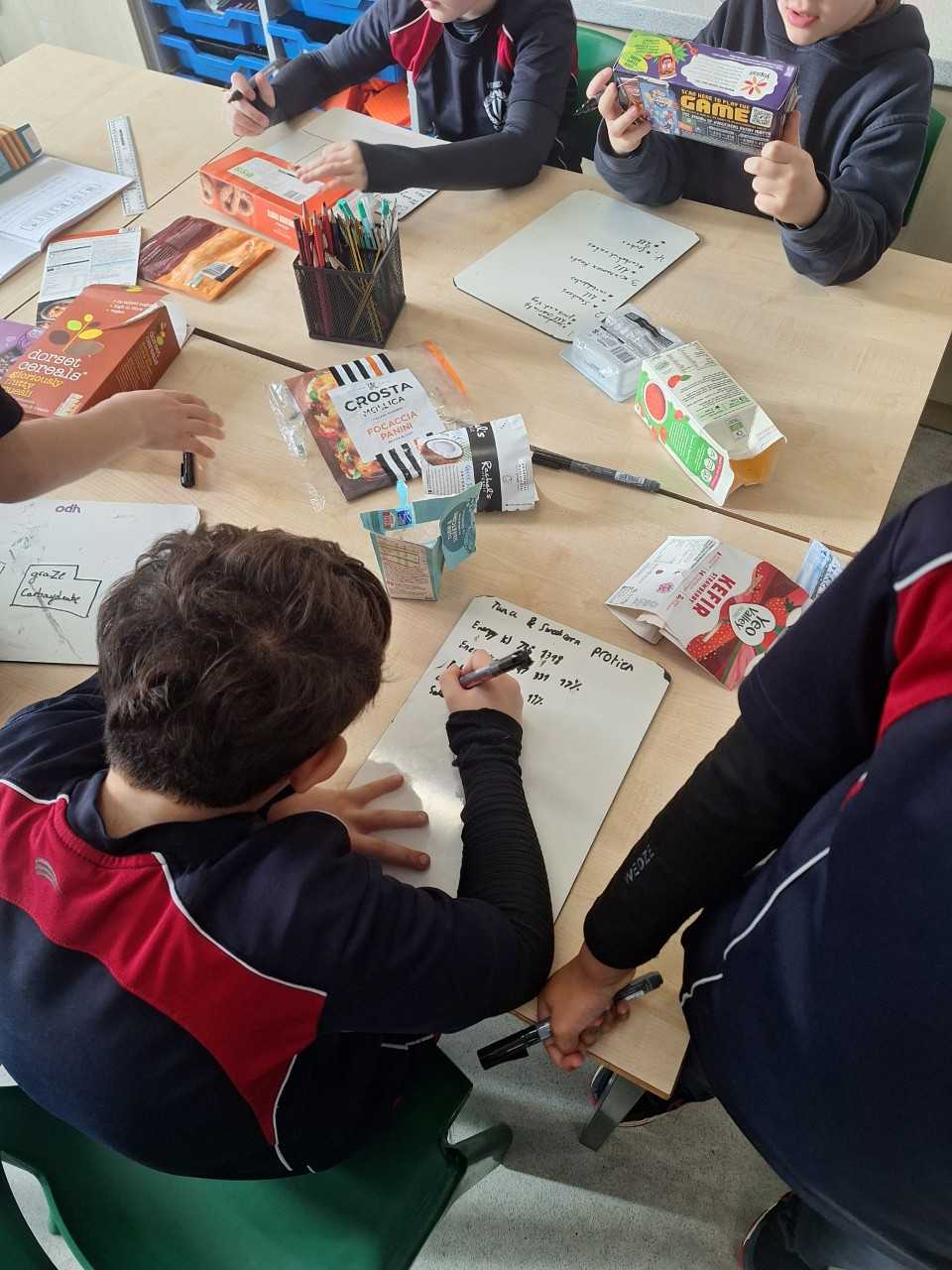
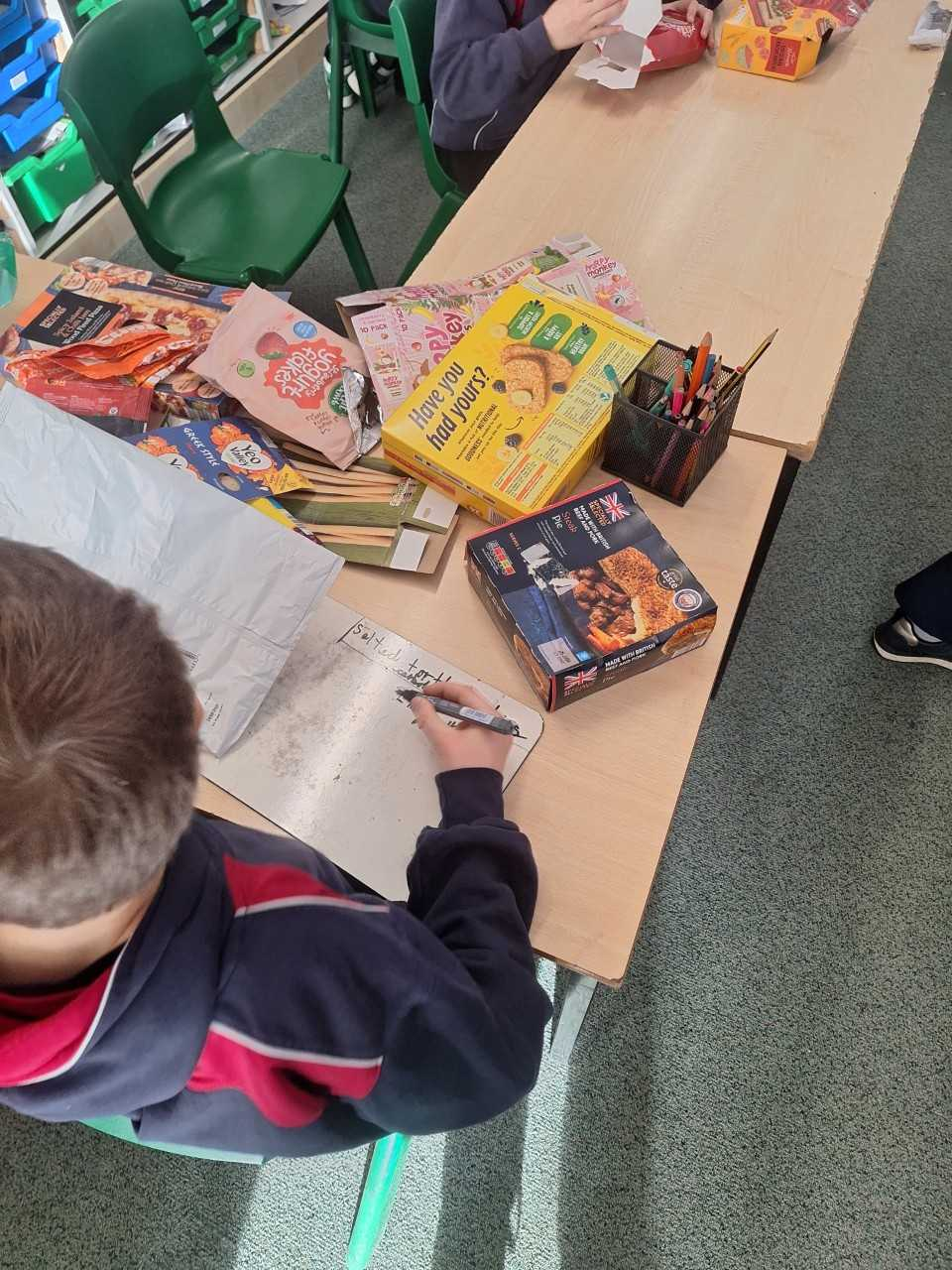
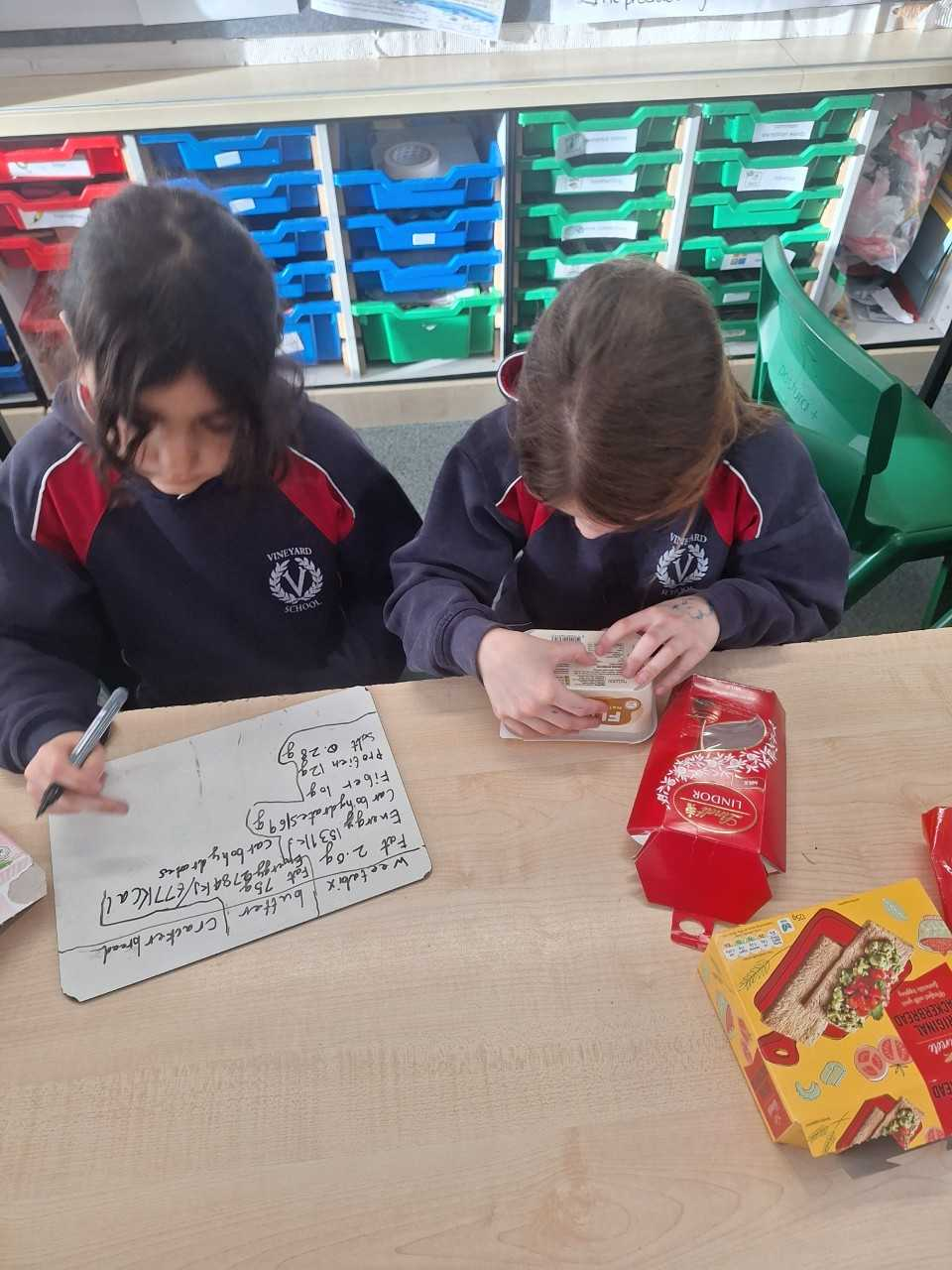
Mr Miller would also be impressed with our science learning about animals, which has continued through hands-on investigations, including exploring food labels. The children examined the ingredients lists and nutrition tables to identify whether foods contained high, medium or low amounts of fat, carbohydrates, protein, fibre and salt. This has helped them understand how scientists gather information and make judgements, as well as supporting discussions about making healthy food choices.
In French, there has been lots of laughter as the children learned the names of different parts of the body and practised describing them. Playing “Simon(e) dit… touchez le nez!” has been a particular highlight and a fantastic way to build confidence and listening skills whilst having fun.
|
w/b 26.01.26 |
w/b 02.02.26 |
|
Spelling rule: Creating negative meanings using prefix ‘mis’ (eg. mislead, misheard) Key words: Measure, millimetres, centimetres, metres, carbohydrates, protein, fats & oils, dairy, fruit & vegetables, nutrition, vitamins, energy Maths facts: 4 x tables |
Spelling rule: Creating negative meanings using prefix ‘dis’ (eg. dislike, disbelieve) Key words: Measure, millimetres, centimetres, metres, North America, climate zone tropical, Florida, sugar, energy, minerals, vitamins, fibre Maths facts: 8 x tables |
Key dates:
January
- 30.01.26 - International Day (pm) - please let your class rep know if you could offer an activity based on your national food/music/language
February
- w/c 02.02.26 - NSPCC Number Day
- w/c 02.02.26 - Children’s mental health week
- 10.02.26 - Safer Internet Day
- 13.02.26 @ 3.15pm - End of half term
Year 4
Consolidating their science learning, the children are drafting a first person narrative as if they were a water droplet experiencing the different stages of the water cycle. They have drawn, role-played and created a mini-water cycle and now need to use their imagination to describe how it might feel during each of the processes involved. What do you think would happen if you evaporated?
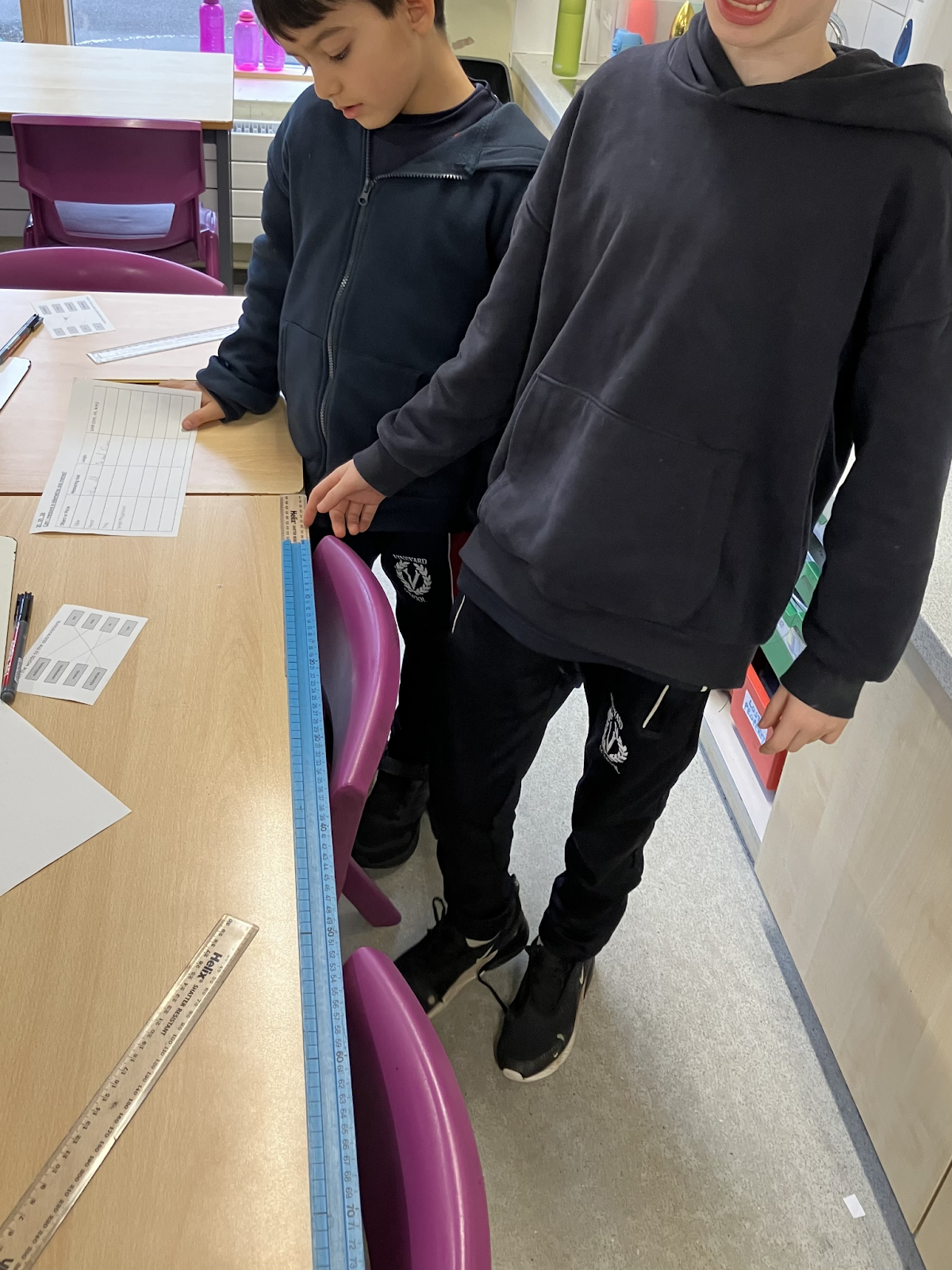
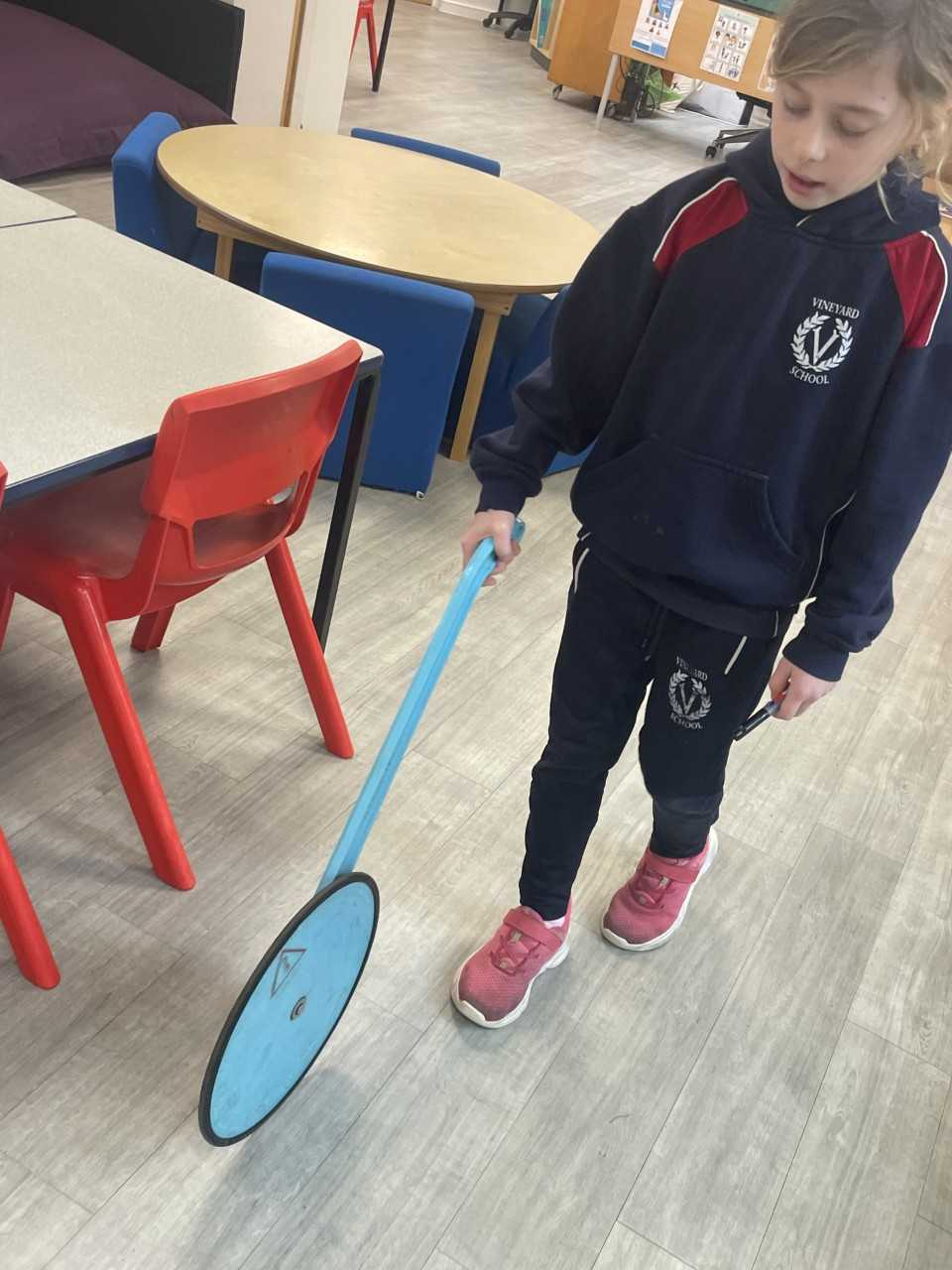
We started our new topic of measure in maths by using different equipment to measure objects of different lengths, we moved on to converting metres to kilometres and vice versa and are now looking at calculating perimeters.
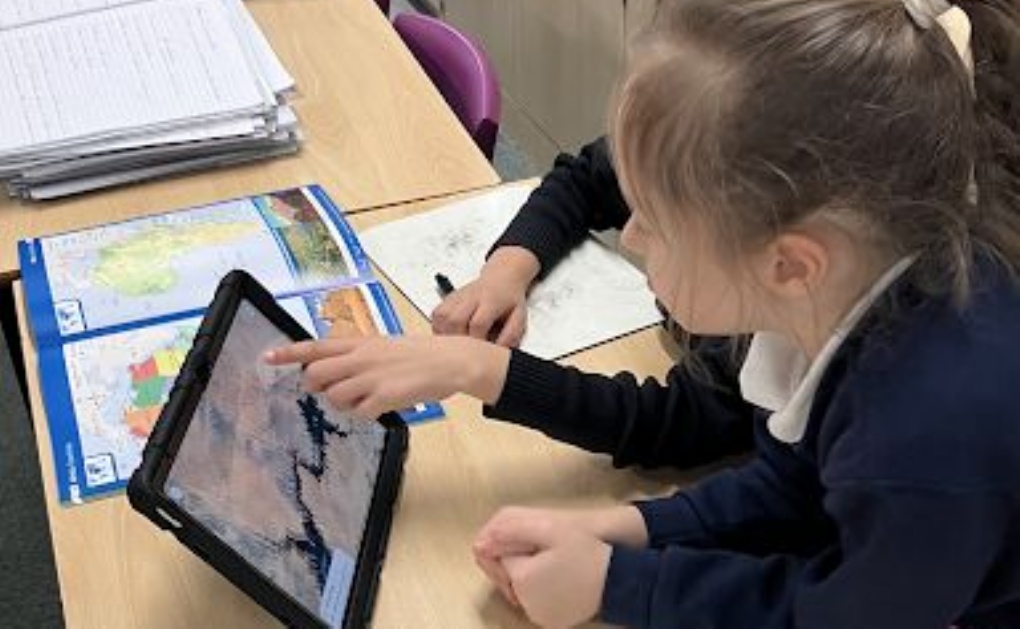
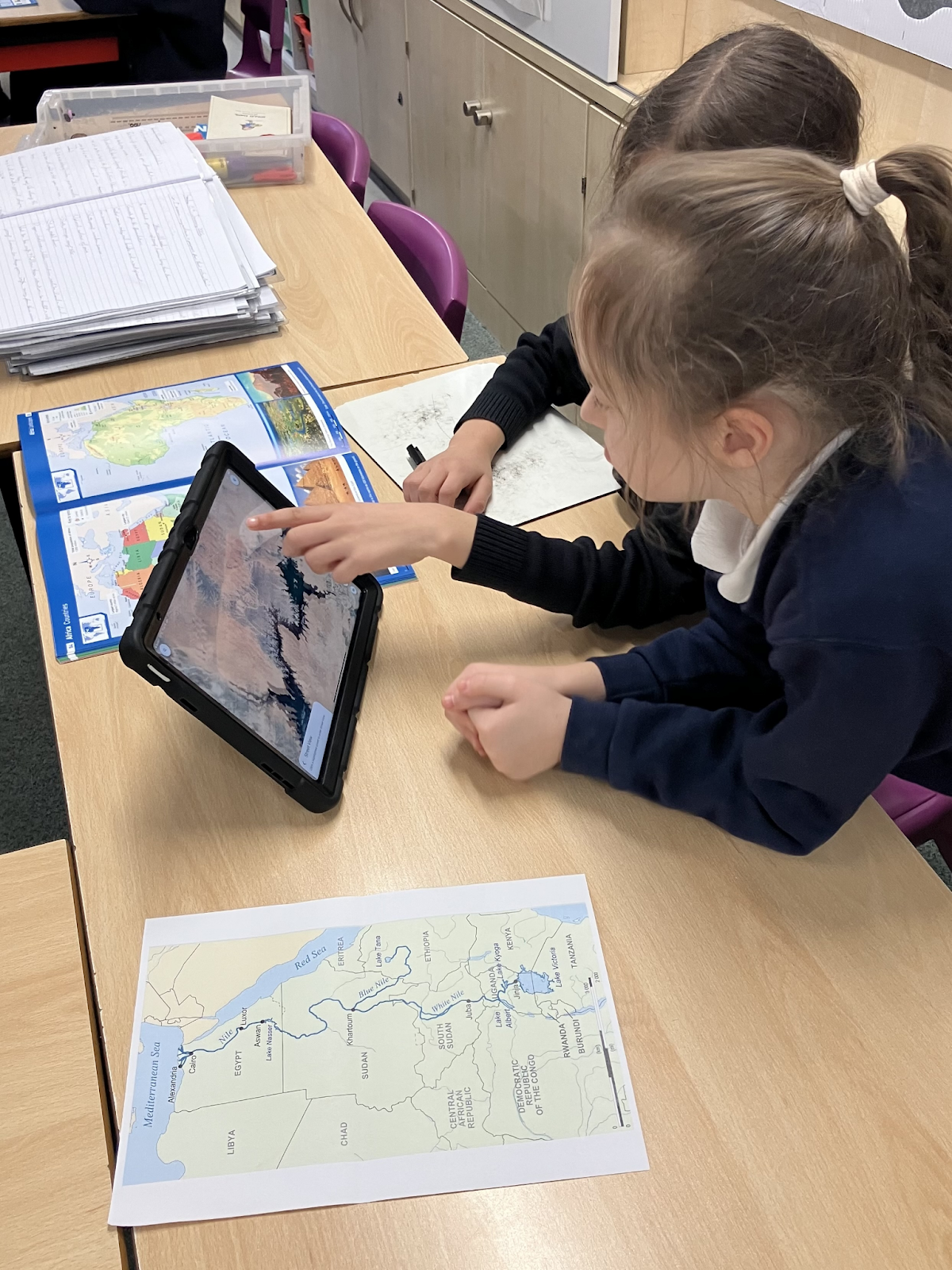
The children enjoyed using different sources to find out more about the River Nile. Each source, from Digi-maps and Google Earth to a variety of maps and atlases, revealed different information. The children discovered the source of the Nile and that it travels through eleven countries. This week, they considered the advantages and disadvantages of various locations in the Nile delta in which to establish a new settlement.
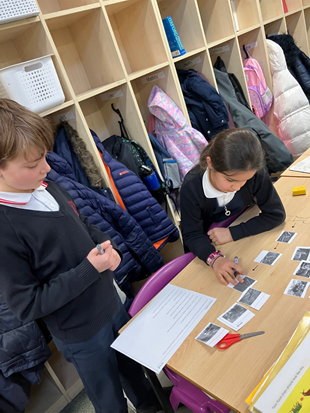
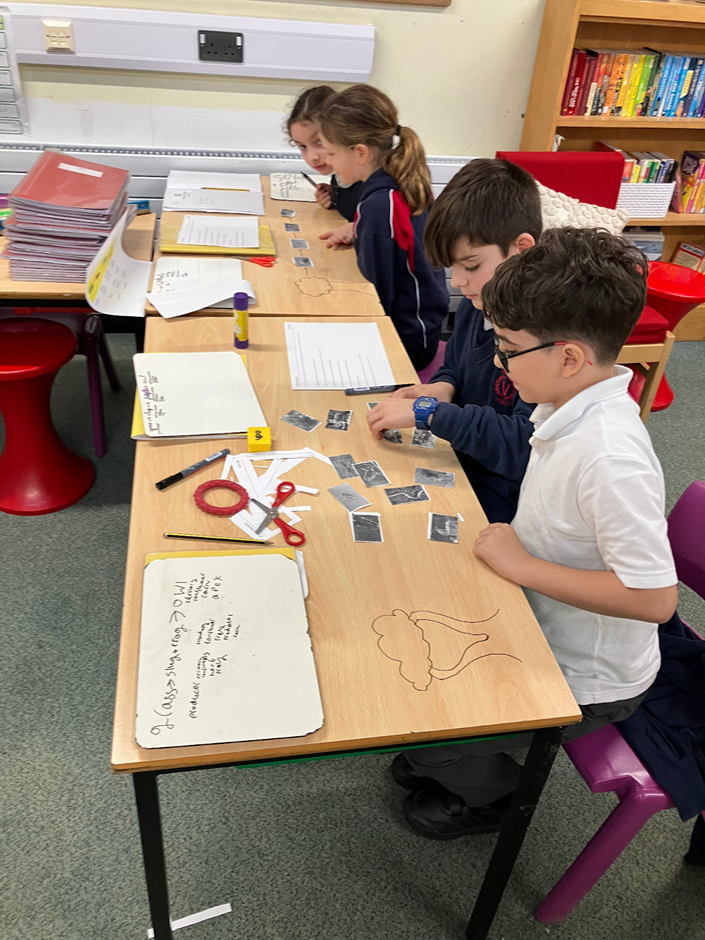
We began our new topic in science (Animals including humans) by looking at food chains and food webs and labelling the role each plant/animal plays in a food chain. We focussed on the flow of energy from the sun, to the plants and, finally, to the animals.
We were fortunate to have Circus Lions run our indoor PE lessons last week teaching the children how to use some of the skills they have been learning in PE lessons to do circus tricks: throwing and catching, balancing, moving around space and teamwork. It was great fun.The children performed their skills to each other at the end of the lesson and showed what progress they had made in a short time - well done!
The children’s artwork is proudly on display in the Year 4 corridor showing how they have used shading to create 3D images of shapes and a vanishing point to create perspective. All these skills will help them with their final piece in a few weeks time.
We are all looking forward to International Day on Friday and learning more about various cultures and languages. Thank you to everyone who has volunteered to be involved in the day.
|
This week: 26.01.26 |
Next week: 02.02.26 |
|
Spelling rule: Nouns ending in the suffix -ation: creation radiation indication ventilation relegation dedication demonstration abbreviation translation vibration Key words: perimeter, length, width fronted adverbials, similes, personification food web, producer, consumer, apex predator human features, physical features, flooding, leisure Maths facts: 12 x tables |
Spelling rule: Adding prefix ‘sub’ (to mean under) or ‘super’ (to mean above): submerge subheading submarine subordinate subway superman supervise supersede superpower superhuman Key words: rectilinear, polygon, regular apostrophes for plural possession (the girls’ names), subordinate clauses, time conjunctions. incisor, canine, molar River Nile, irrigation, drough Maths facts: 12 x tables |
Key dates:
January
- 30.01.26 - International Day (pm) - school uniform
February
- w/c 02.02.26 - NSPCC Number Day - own clothes (number themed)
- w/c 02.02.26 - Children’s mental health week
- 10.02.26 - Safer Internet Day